
Unlisted China / Shanghai / Guides
Liang, Long, Zhi — How Shanghai Actually Sells Its Food
Nothing at an old-school Shanghai shop is sold by "a portion". Noodles come in liang, buns come in liang, dumplings come in long, pancakes come in zhang. The unit system nobody translates — decoded.
Here is a sentence that has confused every foreign visitor to an old Shanghai snack shop at least once: 二两生煎 — "two liang of shengjian" — arrives as four buns. Not two. Four. If you ordered "two" of anything based on the number in front of you, you are going to be very surprised by what lands on the table.
Nothing in an old-school shop is sold by "a portion". The portions are measured in units inherited from market stalls, and the units predate every menu translation app. There are only four you need. Learn them and you can order anywhere in this guide with total confidence.
两 (liang) — 50 grams, the everything-unit
One liang is fifty grams — a holdover from when food was weighed out at street stalls. It survives in two places you'll meet it:
Shengjian and other buns: 二两 (two liang, 100g of dough) of pork shengjian is four buns. 三两 is six. Nobody at the shop thinks of it as "four buns"; they think of it as 二两. When our shengjian card says "order 二两", it means four.
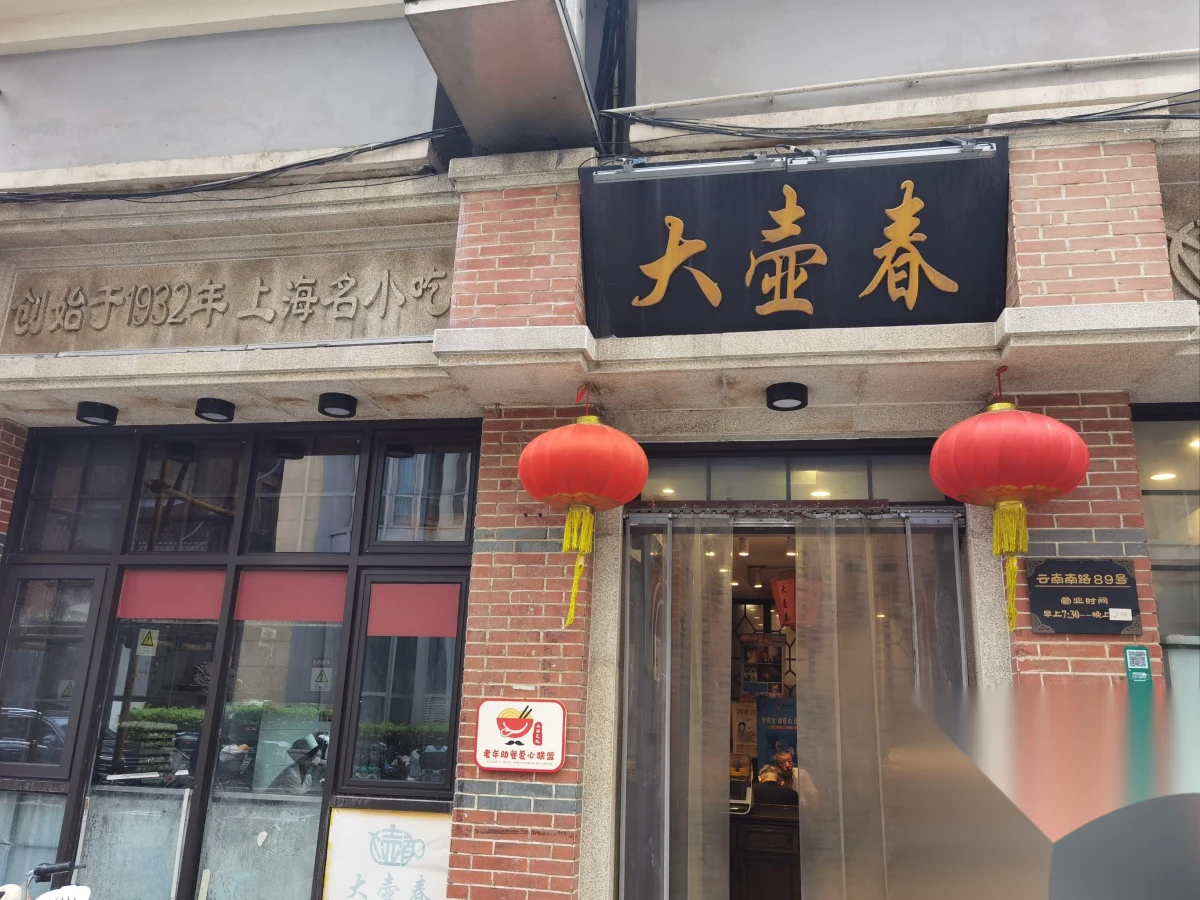
Shanghai's "dry-style" shengjian bao house — no aspic in the filling, so less soup but a deeply crisp bottom. The local order is 「二两鲜肉生煎」 (100g pork buns) with a bowl of curry beef soup.
Noodles: the same unit sizes your noodle bowl. 二两 is the standard bowl, 三两 is the large. In noodle shops the unit is so embedded that the size is often just written as a number: 2两. Our noodle jargon guide covers this word's companion vocabulary — 硬面, 过桥, 紧汤 — if you want the full set.
笼 (long) — the basket
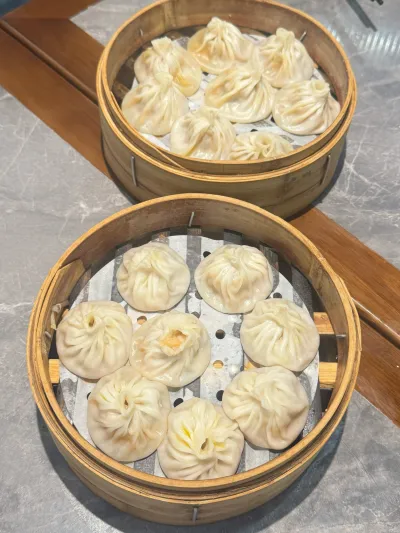
Xiaolongbao are sold by the bamboo basket, not by the piece. 一笼 is one steamer — usually six to ten dumplings depending on the shop and the size of the dumpling. The basket count is right there on the menu: 鲜肉小笼 ¥25/笼.
This is where the arithmetic matters most. At Lai Lai on Tianjin Road, a basket of crab-and-pork xiaolongbao is an event; a family of four ordering "one each" — four baskets — is ordering twenty-four to forty dumplings. Order one basket of the signature per two people, then re-order. Re-ordering is normal; waste isn't.
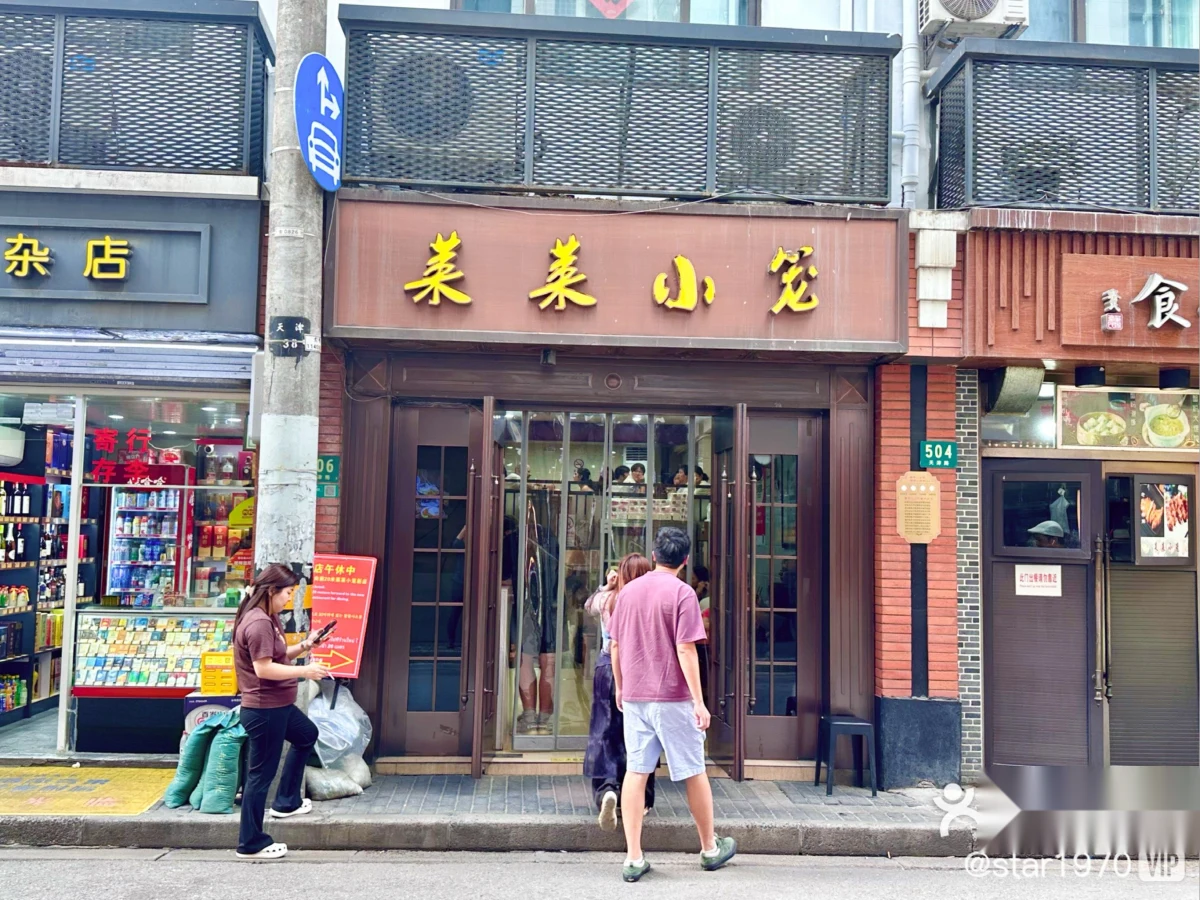
The move: order 蟹粉鲜肉小笼 (crab-and-pork xiaolongbao), eat the first one plain — no vinegar — then dip the rest in the ginger vinegar that arrives with the basket. Roughly 40% of the people queueing with you will be foreign tourists; this is the rare local institution that has quietly become an international one.
只 (zhi) — the piece
The single-item unit: one dumpling, one bun, one mooncake. You'll meet it when shops let you mix — 拿两只 — or on signs where individual pieces are the point. At the Yu Garden original, xiaolongbao can effectively be bought 只-by-只 from the takeaway counter downstairs, no queue for the restaurant upstairs required.
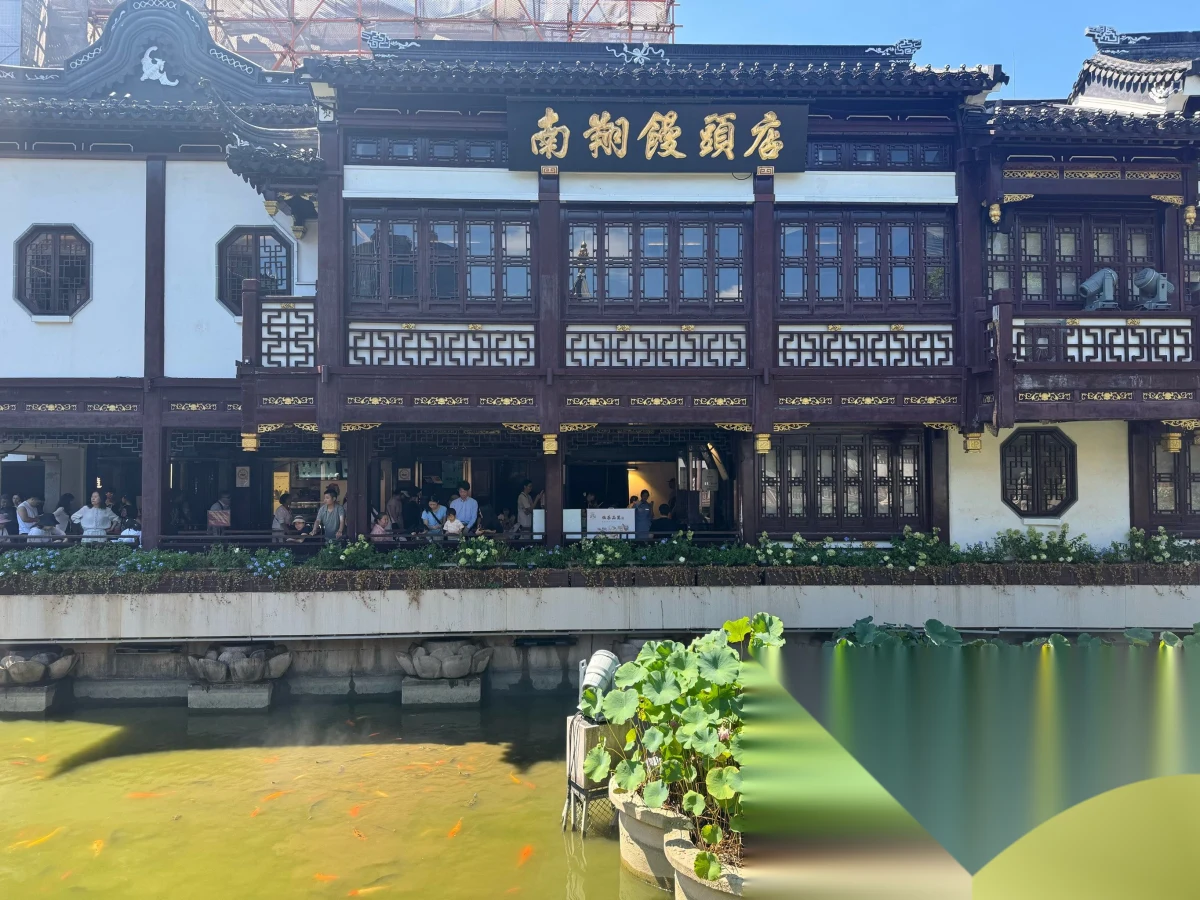
Two dining areas share the building: the ground-floor takeaway counter (cheap, standing, locals queue here) and the upstairs restaurant (3-5x pricier, service charge, mostly tourists). On a budget or want the authentic one? Stay downstairs.
张 (zhang) — the sheet
The flat things: scallion pancakes, and anything that starts as a sheet of dough. 一张 is one pancake. The word also means "a measure word for flat things" in general Chinese, which is why your credit card, being flat, is also technically 一张卡 — a fact you can use to delight exactly nobody at dinner.
块 (kuai) — the hunk, and the yuan
老外 confusion bonus: 块 means both "a hunk" (of rice cake, say — 一块年糕) and the colloquial word for the currency (¥10 = 十块). Context does all the work. If the number seems too small to be a price, it's a hunk.
Why the units matter more than the prices
At Wangjiasha, the 1945 dim sum house on West Nanjing Road, the price board is a wall of units: 汤团 by the 只, 两面黄 by the 份 (there's a fifth unit — 份, "a serving", the modern interloper), mooncakes by the box. Being able to read the unit tells you what you're buying before it tells you what it costs.
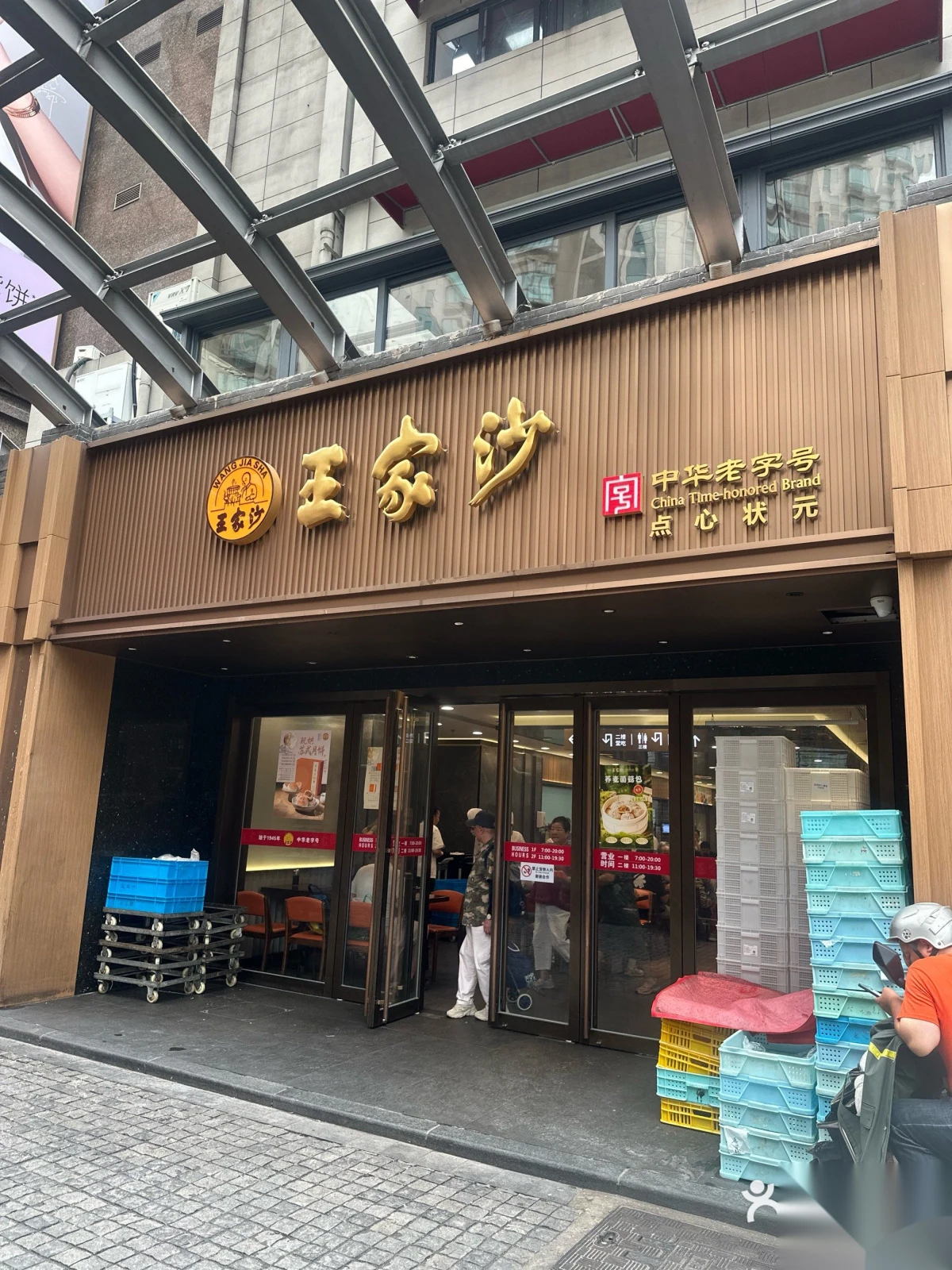
Order at the glass counters like a local: 蟹粉汤团 (crab-roe glutinous balls) in winter, 虾仁两面黄 (crisp-fried noodles with shrimp) any time, and 素菜包 (vegetable bun) straight from the steamer. In spring the qingtuan queue wraps around the block — that's the calendar telling you the shop matters.
And the units quietly encode the culture. Selling shengjian by weight is a street-stall habit from a poorer Shanghai that refused to disappear; a 二两 order is a little piece of that history arriving at your table, crisped and sesame-topped. Ordering it correctly is a small act of meeting the city where it actually is.
The unit cheat sheet
| 单位 | Reads as | It means | Where you'll use it | |---|---|---|---| | 二两 | ar-liang | 100g — four shengjian, or a standard noodle bowl | Shengjian & noodle shops | | 一笼 | ee-long | One steamer basket, 6–10 dumplings | Xiaolongbao | | 一只 | ee-zhi | One piece | Dumplings, buns, mooncakes | | 一张 | ee-zhang | One sheet/pancake | Scallion pancakes | | 一块 | ee-kuai | One hunk — or one yuan | Rice cakes; also prices | | 一份 | ee-fen | One serving (modern) | Mixed menus |
Hold your fingers up with the number and the unit together — 二两 with two fingers up gets you four buns in every shop in this guide, and the respect of whoever's counting.
More from Shanghai
 Food
Food
Fifteen Minutes From The Bund, The Food Changes Completely
The Bund's own restaurants speak fluent English and take every card. Walk fifteen minutes inland and you're in a different Shanghai: olde...
Read →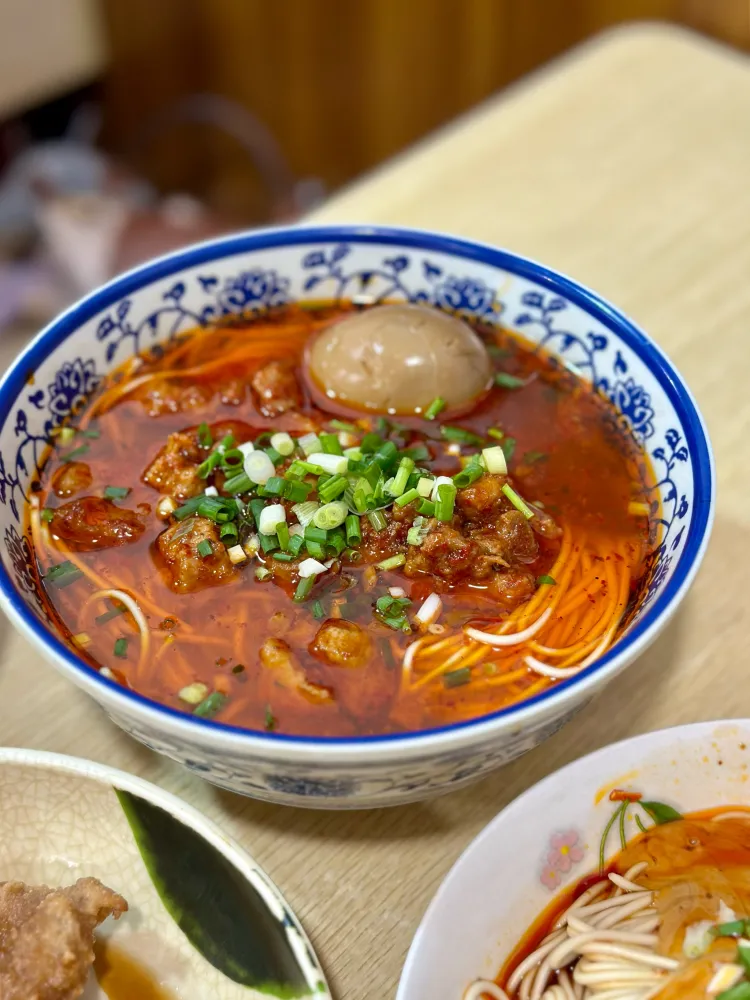 Food
Food
How To Order Noodles In Shanghai Like You Live Here
Hard noodles or soft. Soup on the side or in the bowl. Scallions held back or doubled. The words that change what arrives at your table —...
Read → Food
Food
The 10 Tables Every First-Time Visitor Should Eat At In Shanghai
Not the ten fanciest, not the ten most famous — the ten places where the food is genuinely good, the price is genuinely small, and the ex...
Read → Food
Food
Eating At Yu Garden Without Getting Trapped
Yu Garden Bazaar is where the invention of the soup dumpling is genuinely worth seeing — and where the worst meal of your trip is genuine...
Read →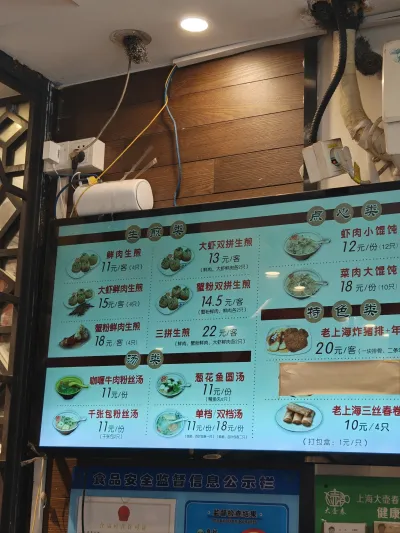 How-to
How to Order Food in China With No English
You don't need to speak Chinese. You need to copy, paste and point. The exact five moves that get food in front of you — plus the sentenc...
Read →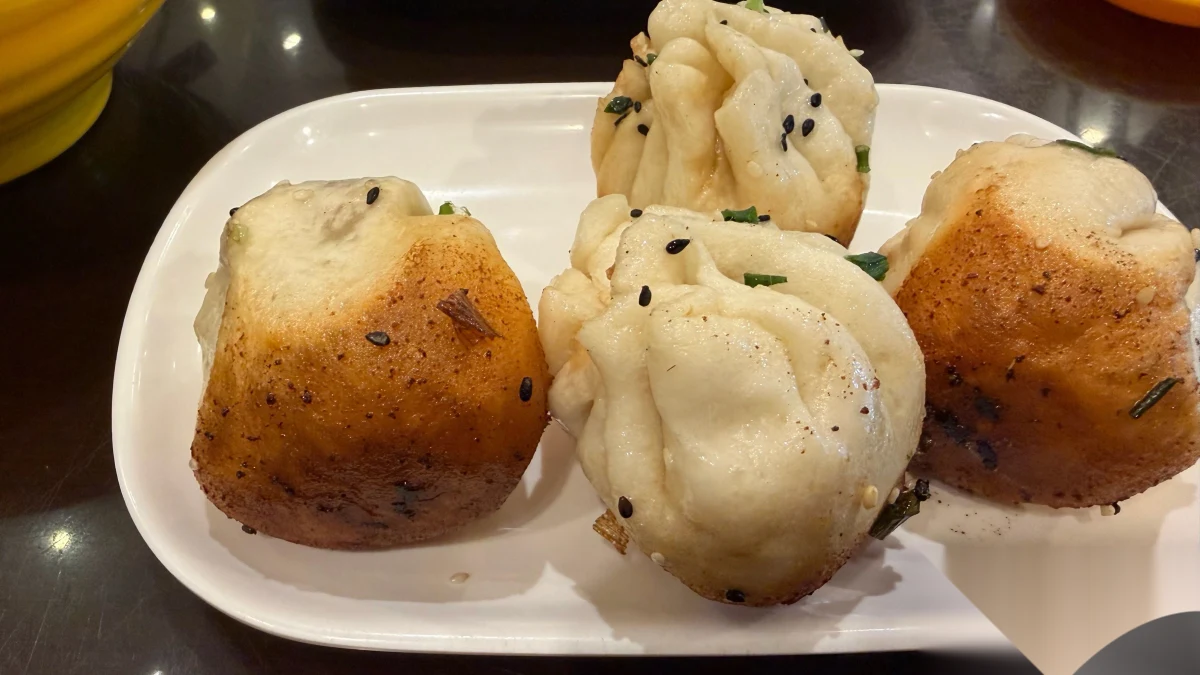 Food
Food
The Two Schools of Shanghai's Pan-Fried Bun
One bursts with scalding soup. One has almost none. Locals have been arguing about which is correct for a century — and most visitors onl...
Read →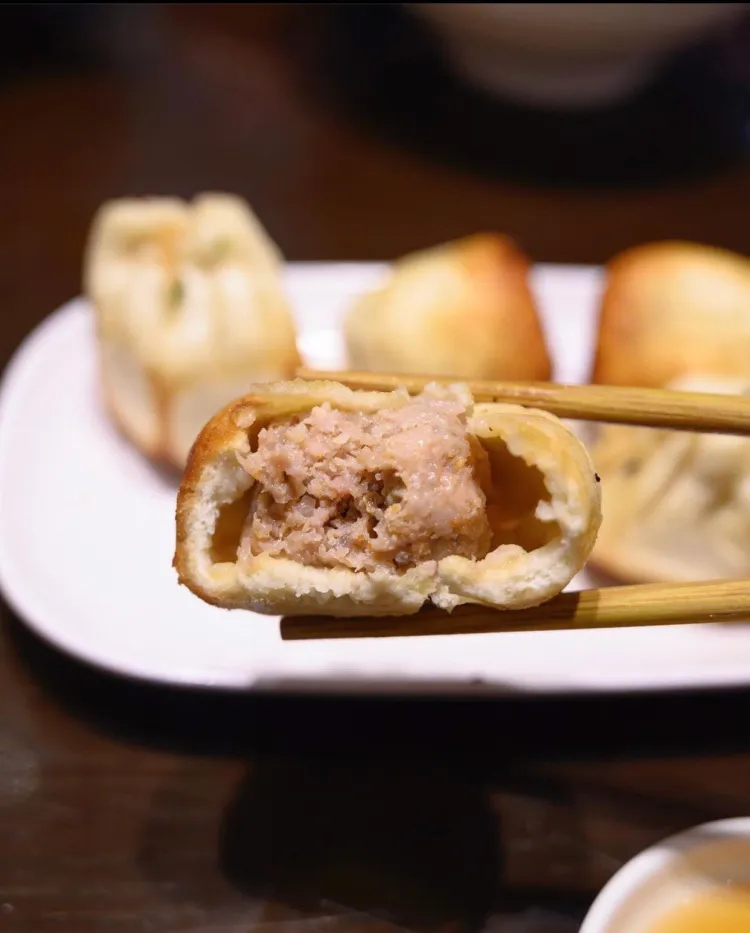 Food
Food
Where Shanghai Eats Breakfast
Four breakfasts, four street windows you would walk straight past. What locals eat before nine, what it costs, and the Chinese words that...
Read →